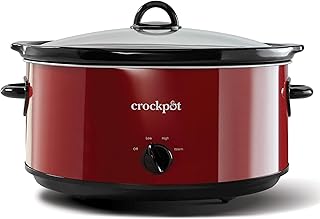
Rendering Beef Tallow in the Crockpot
Rendering beef tallow in the crockpot is the easiest way to turn plain beef suet into clean, shelf-stable cooking fat. You chop the fat, add a little water and leave it on LOW for most of a day. Then you strain it into jars, where it sets into creamy white tallow.
40
servings30
minutes10
hoursChopped beef suet melts slowly in the slow cooker, then gets strained into jars. It sets into clean, creamy white tallow for frying and roasting.
Ingredients
4 lb beef suet (kidney fat), cold or partly frozen
1/2 cup water
1 tsp fine sea salt, optional
1 fine-mesh strainer
2 layers of cheesecloth or a clean coffee filter
4 clean wide-mouth half-pint jars with lids
1 large heatproof bowl or measuring cup
1 ladle
Paper towels
1 pinch of salt, optional, dissolved in the water
Directions
- Let the suet sit at room temperature for 10 minutes if it is rock hard, then trim off any red meat or blood spots.
- Chop the suet into 1/2-inch pieces with a sharp knife, or pulse it in a food processor until pea-sized. Smaller pieces render faster.
- Add the water to the bottom of a 6-quart slow cooker. It stops the fat from scorching at the start.
- Add the suet and stir briefly.
- Cover with the lid slightly ajar, so moisture can escape, and cook on LOW for 8 to 10 hours, stirring every 2 hours.
- The tallow is ready when the liquid is clear and golden and the leftover bits, called cracklings, are small, brown and floating or sunk.
- Set the strainer lined with cheesecloth over a heatproof bowl. Carefully ladle the hot fat through it.
- Pour the strained tallow into the clean jars, leaving 1/2 inch at the top.
- Let the jars cool, uncovered, for an hour, then cover and refrigerate. The tallow turns firm and white.
- Label each jar with the date.
Notes
- Hot fat can burn, so handle it with care. Use a small amount of salt in the water for a cleaner, whiter fat if you wish. Strain the cracklings and season them for a snack. Store in the fridge up to 6 months, or freeze up to a year.
Why render tallow in a slow cooker
Tallow is rendered beef fat, and it has been a cooking staple for centuries. It has a high smoke point, a clean beef flavor and a firm, creamy texture. Cooks use it for roasting potatoes, frying and searing steaks, and many people like it as an alternative to seed oils.
Rendering on the stove means watching a pot for hours, since fat can scorch or splatter. The slow cooker holds a steady, low heat that melts the fat gently without browning it. That gives you a pale, mild tallow instead of a dark, strong one, and you can leave the house while it works. The tallow keeps for months, so one afternoon of work gives you a pantry staple that costs very little.
Ingredient and equipment notes
Beef suet: It is the hard fat around the kidneys and loin. It makes the best, cleanest tallow. Ask the butcher counter, since many will give it away or sell it cheaply.
Trimmings: Fat trimmed from other cuts works too, but gives a stronger beef flavor and can have more meat on it. Mix with suet if you can.
Water: A half cup at the bottom stops the fat from sticking and scorching before it melts. It all evaporates or separates out later.
Strainer and cheesecloth: A fine strainer lined with cheesecloth catches the tiny bits, so the tallow stays clear and lasts longer on the shelf.
Jars: Use clean, dry glass jars. Any moisture left inside speeds spoilage.
Salt (optional): A small pinch of salt dissolved in the water helps pull out impurities as the fat melts. Skip it if you do not mind a slightly cloudier result.
Tips for clean, white tallow
Chop small and cold: Cold fat is easier to cut, and small pieces melt faster and more evenly. A food processor makes quick work of it. Do not turn it into a paste, because that makes it harder to strain.
Keep the heat low: Do not use HIGH. High heat browns the fat and gives it a toasted, beefy smell. LOW keeps it neutral and light in color.
Avoid the most common mistake: Letting water into the finished fat. Even a few drops can cause the tallow to go rancid and mold in the jar. Make sure your strainer, bowl and jars are fully dry, and leave the lid ajar while cooking so steam can escape.
Swaps and variations
For an extra-clean tallow, do a second round: melt the tallow again with a cup of warm salted water, then chill it and lift off the solid fat. Scrape the bottom to remove any cloudy layer. You can also add a sprig of rosemary to the jar for an herbed version.
Do not render on HIGH or in an open pot over direct heat. It browns the fat and can smoke or even ignite if left unattended.
How to use it
Use tallow for roasting potatoes and vegetables, frying eggs, searing steak or deep frying french fries. Spoon some into a cast iron pan before cooking, or use it in pie crust for a flaky result. Store a jar at the back of the pantry shelf if you use it quickly, and keep the rest in the fridge.
Storing, freezing and reheating
Store tallow in a sealed jar in a cool, dark pantry for up to 3 months, or in the fridge for up to 6 months. Frozen, it keeps for a year.
To use, scoop out what you need. It melts as soon as it hits a warm pan. Discard it if it smells sour or looks cloudy or moldy. Use the cracklings as a crunchy topping for salads or baked potatoes.
Rendering Beef Tallow in the Crockpot at a glance
- Prep time: 30 minutes
- Cooking time: 10 hours
- Servings: 40 servings
- Ingredients: 10, led by beef suet (kidney fat), water, fine sea salt, fine-mesh strainer
Tips for Rendering Beef Tallow in the Crockpot
Hot fat can burn, so handle it with care. Use a small amount of salt in the water for a cleaner, whiter fat if you wish. Strain the cracklings and season them for a snack. Store in the fridge up to 6 months, or freeze up to a year.
Rendering Beef Tallow in the Crockpot FAQ
How long does Rendering Beef Tallow in the Crockpot take?
Rendering Beef Tallow in the Crockpot takes 10 hours of cooking after 30 minutes of prep.
How many people does Rendering Beef Tallow in the Crockpot serve?
This recipe makes 40 servings.
What do I need to make Rendering Beef Tallow in the Crockpot?
10 ingredients, led by beef suet (kidney fat), water, fine sea salt, fine-mesh strainer. Amounts are in the recipe card above.