Chicken Thigh Pot Roast in the Crockpot
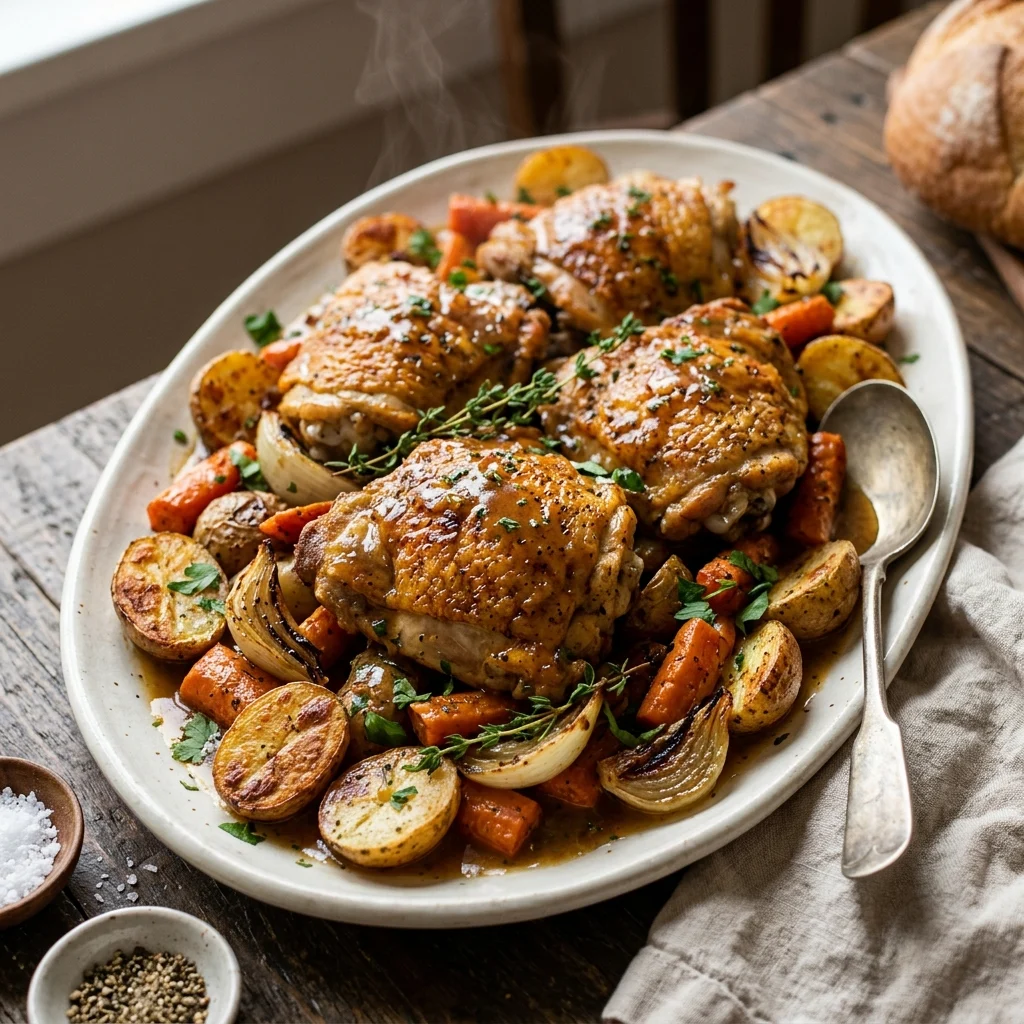
Chicken thigh pot roast in the crockpot gives you the cozy flavor of a Sunday roast in about half the time. Bone-in thighs sit on a bed of potatoes and carrots and cook in their own juices until falling off the bone.
Chicken Thigh Pot Roast in the Crockpot
Course: Main CourseDifficulty: Easy6
servings20
minutes7
hoursBone-in chicken thighs cook over potatoes, carrots and onion in a thyme and garlic broth. The pan juices thicken into an easy gravy at the end.
Ingredients
3 lb bone-in, skin-on chicken thighs
1.5 lb baby potatoes, halved
4 large carrots, cut in 2-inch pieces
1 large yellow onion, cut in wedges
6 cloves garlic, smashed
1 cup low-sodium chicken broth
2 tablespoons tomato paste
1 tablespoon Worcestershire sauce
1 teaspoon dried thyme
1 teaspoon smoked paprika
1 teaspoon kosher salt
1/2 teaspoon black pepper
1 tablespoon olive oil
2 tablespoons cornstarch
3 tablespoons cold water
Directions
- Season the chicken thighs on both sides with half of the salt, the pepper, paprika and thyme.
- Heat the olive oil in a large skillet over medium-high heat. Brown the thighs skin-side down for 5 minutes until golden. You do not need to cook them through.
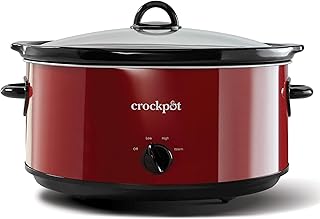
- Put the potatoes, carrots, onion and garlic in a 6-quart slow cooker. Sprinkle with the rest of the salt.
- Whisk the broth, tomato paste and Worcestershire in a bowl. Pour it over the vegetables.
- Set the browned thighs on top of the vegetables, skin-side up.
- Cover and cook on LOW for 6 to 7 hours or on HIGH for 3.5 to 4 hours. The chicken should reach at least 175°F and be tender at the bone, and the potatoes should be soft.
- Move the chicken and vegetables to a platter.
- Skim the fat off the juices. Mix the cornstarch and cold water, then whisk it into the juices on HIGH.
- Cook uncovered for 10 minutes until the gravy is thick.
- Serve the chicken and vegetables with the gravy poured over.
Notes
- Skin will be soft in the slow cooker. Crisp it under the broiler for 3 minutes if you like. Use skinless thighs to cut the fat. Swap in parsnips or turnips for some of the carrots. Keeps 4 days in the fridge. Freeze the chicken and gravy without the potatoes.
Why chicken thighs make a better pot roast
Beef pot roast needs eight hours or more to become tender. Chicken thighs get the same fall-apart result in about six. They carry more fat and collagen than breasts, so they do well over a long cook and give off plenty of juice for the vegetables.
The vegetables cook in that juice, soaking up the chicken flavor, while the skin and bones add body to the gravy. You get a full dinner in one pot, with less cost than a beef roast.
There is one more advantage. Thighs are hard to overcook. If dinner runs late, an extra hour on WARM will not hurt them, which makes this a forgiving pot for busy evenings.
Picking the right pieces
Bone-in thighs: The bone adds flavor and keeps the meat from drying. Skin-on gives a richer gravy, but you can remove the skin after cooking.
Baby potatoes: Waxy potatoes hold their shape over a long cook. Russets fall apart and cloud the gravy.
Carrots: Cut them thick, at least two inches. Thin slices turn to mush.
Tomato paste: A little adds depth and color. It melts into the broth so you do not taste tomato.
Worcestershire: A small amount gives a beefy, roast-like flavor.
Tips for a pot roast, not a boiled dinner
Brown the chicken first: It takes five minutes and gives the gravy a roasted flavor that raw chicken never will.
Layer the vegetables on the bottom: The most common mistake is putting chicken on the bottom, where it boils in liquid. Vegetables go under, chicken goes on top.
Use only a cup of broth: The vegetables and chicken release plenty of water. More liquid just makes a thin soup.
Cut vegetables to the right size: Potatoes halved and carrots in thick pieces finish at the same time as the chicken. Small cuts go soft and sink into the gravy.
 Pin it
Swaps and variations
Add mushrooms or green beans in the last hour. Swap the thyme for rosemary. For a lighter dish, use skinless thighs and a splash of white wine in place of some broth. Chicken breasts do not work well here, since they dry out long before the potatoes are soft.
Use the pan juices from browning: Pour a splash of broth into the skillet, scrape up the browned bits, and add that to the slow cooker. Those bits are concentrated flavor and cost nothing.
What to serve with it
The potatoes and carrots make this a full meal, so add something green like steamed green beans or a crisp salad. Warm rolls are good for mopping up the gravy.
If you want a bit of green and acid, toss a handful of arugula with lemon juice and olive oil and put it on the table. The sharp leaves balance the rich gravy and make the plate feel complete.
Storing and reheating
Keep leftovers in the fridge up to 4 days. Store the gravy with the chicken so it does not dry out.
Freeze the chicken and gravy for up to 3 months. Potatoes get grainy when frozen, so leave them out. Reheat gently on the stove until hot all the way through.
A cooked pot roast tastes even better the next day, after the herbs have had time to settle into the gravy, so it is a good dish to plan for leftovers.
Chicken Thigh Pot Roast in the Crockpot at a glance
- Prep time: 20 minutes
- Cooking time: 7 hours
- Servings: 6 servings
- Ingredients: 15, led by bone-in, baby potatoes, carrots, yellow onion
Tips for Chicken Thigh Pot Roast in the Crockpot
Skin will be soft in the slow cooker. Crisp it under the broiler for 3 minutes if you like. Use skinless thighs to cut the fat. Swap in parsnips or turnips for some of the carrots. Keeps 4 days in the fridge. Freeze the chicken and gravy without the potatoes.
Chicken Thigh Pot Roast in the Crockpot FAQ
How long does Chicken Thigh Pot Roast in the Crockpot take?
Chicken Thigh Pot Roast in the Crockpot takes 7 hours of cooking after 20 minutes of prep.
How many people does Chicken Thigh Pot Roast in the Crockpot serve?
This recipe makes 6 servings.
What do I need to make Chicken Thigh Pot Roast in the Crockpot?
15 ingredients, led by bone-in, baby potatoes, carrots, yellow onion. Amounts are in the recipe card above.