The beef smelled right, the sauce looked right, and the noodles were soft enough to stand a spoon in. I had put everything in at breakfast and trusted the pot all day. Here is when the pasta really goes in, and how to keep it from turning to paste.
So you searched for crockpot pasta recipes ground beef, and wondered when to add pasta to crockpot dinners. Every card says the same thing: add the pasta near the end.
Slow cooker ground beef pasta is easy to start and easy to ruin, and the question is how to keep pasta from getting mushy in a slow cooker. Near the end of what? One recipe says 15 to 30 minutes. Another says the last 45. A third says another 30 to 60 minutes. A layered version cooks the noodles raw for 2 to 3 hours.
Those windows do not disagree because someone is wrong. They disagree because the pasta shape, the heat setting and the amount of sauce change the answer. This page puts the three side by side, so you can pick the window for your pot.
Quick Answer: Last Hour, Hot Cooker, Short Shapes
Quick answer: Cook the sauce and the browned beef first. Then turn the cooker to HIGH, stir in the dry pasta, and give it between 15 minutes and 1 hour, depending on the shape. Use a short, sturdy shape and do not change the amount of liquid. If you put the beef in raw, check it with a probe thermometer and wait for 160°F.
- When: after the base has cooked for 4 hours or more, not at breakfast.
- How hot: HIGH before the pasta goes in.
- Which shape: shells, penne, rotini, elbows or bowties.
- Which number: 160°F in the beef, read with a probe.
Pasta cooks for as long as it sits in hot sauce. The window is the whole recipe.
Why Noodles Turn to Mush in a Crockpot
Why does pasta go soft in a slow cooker? Because dry noodles absorb liquid as they cook, and a slow cooker keeps the liquid hot for hours. If you leave them in all day, the noodles keep drinking until nothing holds their shape.
The sauce changes too. When the pasta takes the liquid, the pot thickens, and it thickens more as it cools. That is why a pot that looked saucy at the table is a block in the fridge the next day.
You do not need a better noodle. You need a later start. The beef and the sauce need hours, and you only give the pasta minutes. A probe thermometer in the pot tells you when the beef is done while the pasta waits.
The sources that avoid mush all do the same thing. They put the sauce and the browned beef in first, and they add the dry pasta late. One of them says it plainly: short, sturdy shapes work well, and adding them late helps avoid mushy noodles.
The Last-Hour Window: 15 Minutes to 60
How long should pasta cook in a crockpot? It depends on the recipe, and the recipes give five different answers. Here they are in one table.
| Recipe style | Base cooks | Pasta goes in | Pasta cooks |
|---|---|---|---|
| Taco pasta with shells | 5 to 6 hours LOW or 2 to 3 hours HIGH | Stirred in dry, on HIGH | 15 to 30 minutes |
| Creamy Parmesan beef pasta | 4 to 6 hours LOW or 2 to 3 hours HIGH | Last 45 minutes, on HIGH | About 45 minutes |
| One-pot beef and cheese pasta | 4 hours LOW or MEDIUM | Stirred in raw | 30 to 60 minutes |
| Million dollar layered pasta | None, layered raw | At the start | 2 to 3 hours LOW, check at 2 hours |
| Goulash and taco pasta with macaroni | All day | Late | 15 minutes and 30 minutes before serving |
You can read the table from the bottom. The layered version is the odd one out: the noodles sit between sauce and cream cheese, so they cook slowly, and the recipe still tells you to check at the 2-hour mark so they do not get too soft.
For the rest, the window is somewhere between 15 minutes and 1 hour. That is why the title says the last hour. It is the ceiling, not the plan. Start checking at 15 minutes. If the beef went in raw, read it with a probe thermometer before you trust the clock.
Turn the Cooker to High Before the Pasta Goes In
Should you change the heat setting when the pasta goes in? Yes. Two of the recipes turn the cooker to HIGH for the pasta stage, and one warns about the cost of skipping it: it may take longer if the slow cooker is heating up from low.
Think about what that means for you. If the base has been on LOW, the sauce is warm, not boiling hot. The noodles go in and sit in sauce that is still climbing. The window stretches, and you cannot say by how much, because every cooker heats differently.
So do this in order:
- Finish the base. The beef is browned and the sauce has cooked for at least 4 hours.
- Turn the cooker to HIGH and give the sauce a few minutes.
- Stir in the dry pasta and press it under the liquid, so no piece sits dry on top.
- Put the lid on and check at 15 minutes.
You should check early and add 10 minutes rather than check late. Mush is permanent, and firm pasta can always cook a little longer. While you wait, a probe thermometer confirms the beef is at temperature.
Which Pasta Shapes Hold Up
What pasta can you make with ground beef in a slow cooker? Short and sturdy shapes. You will find the recipes above use shells, penne, rotini, bowties and elbow macaroni, and they all share one thing: a thick wall and a small size.
- Shells: they hold the sauce and the beef crumbles inside. A taco pasta uses 12 oz.
- Penne and rotini: a creamy Parmesan recipe uses 8 oz of either.
- Bowties: the one-pot beef and cheese version uses 2 cups of rotini, penne or bowties.
- Elbow macaroni: goes in 15 or 30 minutes before serving, for taco pasta and goulash.
Long strands, like spaghetti, are a different job. The recipes that use them either break them first or boil them outside the pot. Boiling the pasta separately works too: the layered version of this idea is to boil it and stir it in at the very end.
You will see the same shapes on every card. A probe thermometer does the job the shape cannot: it tells you the beef is done. For more pasta dinners, see crockpot pasta recipes.
Pasta to Liquid: Three Recipes Side by Side
How much liquid does pasta need in a slow cooker? Dry noodles absorb liquid as they cook, so the amount in the recipe is part of the recipe. Do not trim it because the sauce looks thin at the start.
| Recipe | Beef | Pasta | Liquid |
|---|---|---|---|
| Taco pasta | 1 lb | 12 oz shells | 2½ cups water or broth, plus crushed tomatoes and salsa |
| Creamy Parmesan | 1 lb | 8 oz short pasta | 4 cups broth, plus 1 cup cream |
| Beef and cheese | 1 lb | 2 cups short pasta | 3 cups water, plus 24 oz marinara |
The numbers do not line up neatly, because the sauces are different. A tomato-heavy recipe brings its own liquid. A broth recipe brings the most. What they share is that the pasta amount and the liquid amount were written for each other.
So copy the pair together. Doubling the pasta means doubling the liquid. Wanting less sauce means using less pasta. Leave one alone and change the other, and the noodles either swim or turn to paste.
A 6-quart slow cooker is what the creamy Parmesan recipe was written for. A smaller cooker needs a smaller batch, not a shorter window. When you change the batch, a probe thermometer tells you the beef is still done.
Raw Beef or Browned First?
Can you put raw ground beef in a slow cooker? People ask it, and it is a fair question. The recipes here brown the beef in a skillet first, break it into crumbles, season it and drain the excess grease. One source adds a specific note: if you use higher-fat beef, brown it and drain the fat before it goes in the pot.
Browning first has a second benefit. It gives you beef you can trust before it disappears under the sauce.
If you do skip the skillet, the pot hides the beef from you. Color tells you the least in a sauce. Ground beef is done at 160°F internal temperature, and a probe thermometer through the middle of the pot is how you see it. After that, every extra minute on the heat dries it out.
What sits next to my slow cooker
One thing earns the space. It answers the question the recipe card leaves open. Left off: a second gadget for the pasta, because a spoon and a timer do that job.
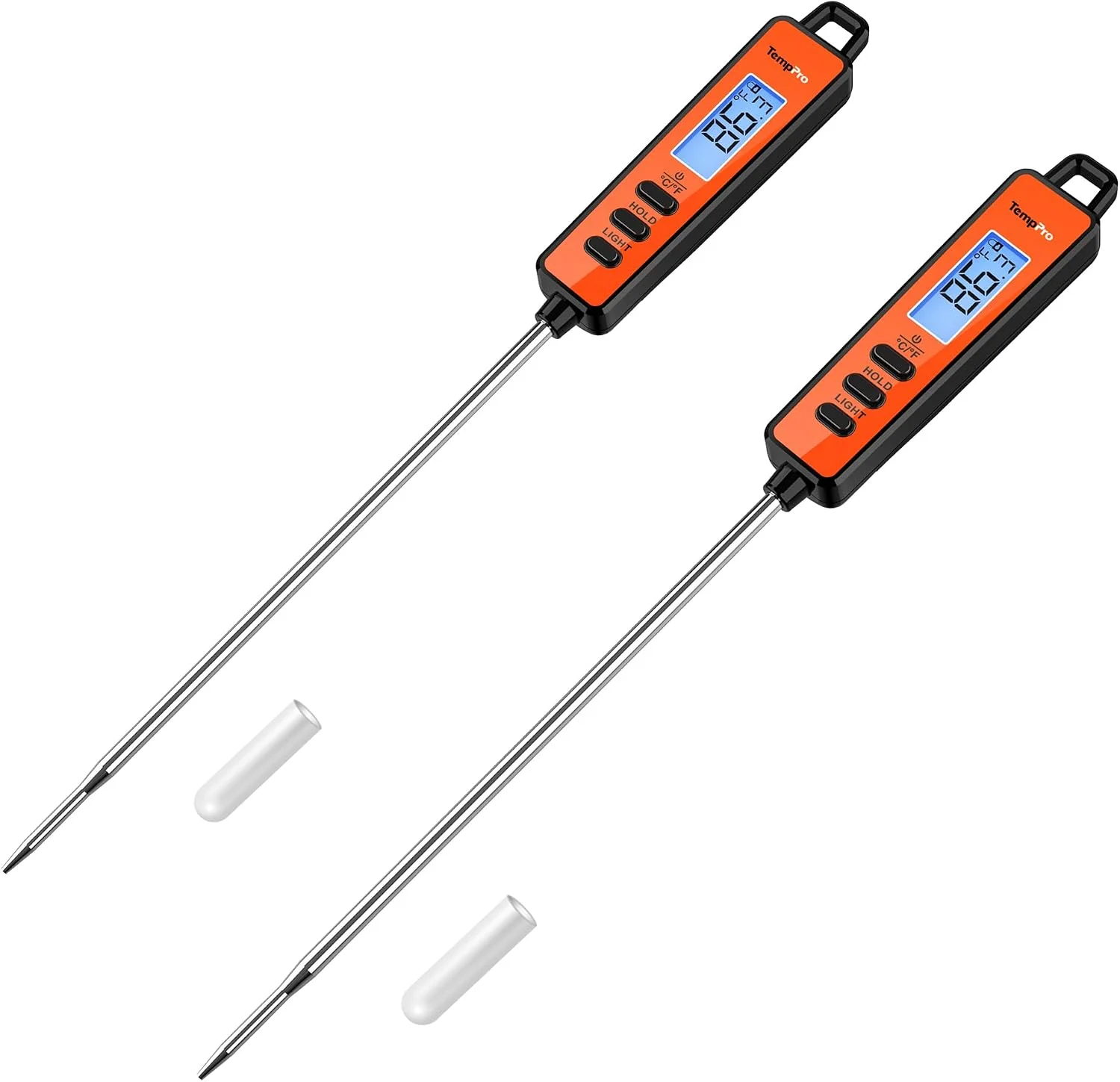
TempPro TempSwif 1 Sec Meat Thermometer, 2 Pack
For the cook who puts raw beef in the pot or reheats leftover pasta and wants a number, not a guess. Not for anyone who always browns the beef and eats the dinner the same day.

Reynolds Kitchens Slow Cooker Liners, Regular Size, Fits 3-8 Quarts, 6ct
For the cook who wants the pot to come out clean after eight hours of beef fat and tomato. Not for anyone who would rather soak the stoneware overnight and scrub it by hand.

Crock-Pot 7-Quart Manual Slow Cooker, Family Size
For the cook whose roast does not fit the 4-quart pot and comes out crowded and grey. Not for anyone cooking for two who never buys more than a pound of meat.
The Base Recipe: Beef and Cheese Pasta
This is the one-pot version: browned beef, a tomato base, and short pasta that goes in for the last stretch. Read the steps once before you start. The pasta goes in at step 4, not at step 1.
6
servings15
minutes5
minutesBrowned ground beef cooked in a tomato base for 4 hours, then short pasta stirred in on HIGH for the final 30 to 60 minutes with cream and cheese.
Ingredients
1 lb ground beef
1 tablespoon oil
1/2 cup diced onion
4 cloves garlic, minced
24 oz jar marinara sauce
1 cup diced tomatoes
1 teaspoon dried Italian herb seasoning
1/2 teaspoon salt
1/2 teaspoon black pepper
3 cups water
2 cups uncooked short pasta (rotini, penne or bowties)
1/2 cup heavy cream (optional)
1 cup shredded mozzarella
1/2 cup shredded Parmesan
Directions
- Heat the oil in a skillet and cook the onion and garlic for 2 to 3 minutes until soft. Add the beef and brown it, breaking it into crumbles. Drain the excess grease.
- Move the beef, onion and garlic to the slow cooker. Stir in the marinara, diced tomatoes, Italian seasoning, salt, pepper and water.
- Cover and cook on LOW for 4 hours.
- Turn the cooker to HIGH. Stir in the dry pasta, the cream and the Parmesan, and half of the mozzarella. Press the pasta under the liquid.
- Cover and check at 15 minutes. Cook for 30 to 60 minutes in total, until the pasta is tender.
- Top with the rest of the mozzarella, cover for 5 minutes until it melts, and serve.
Notes
- If you put the beef in raw instead of browning it first, check it with a probe and wait for 160 degrees F inside.
Cheese and Cream Go In With the Noodles
When do you add the cheese to crockpot pasta? At the end, with the pasta, not at the start. The creamy recipes stir the cream and the Parmesan in at the same moment as the dry noodles, so the sauce stays smooth and the cream does not cook for hours.
- Cream and Parmesan: stir them in with the pasta on HIGH.
- Cheddar for taco pasta: stir it in after the pasta is tender.
- Mozzarella on top: sprinkle it over, cover the pot for 5 minutes until it melts, and serve.
- Spinach or kale: stir it in right before serving.
One more note on the sauce. It will thicken as it cools. You should serve it a little looser than you want it at the table.
If It Goes Wrong: Already Mushy? How to Save the Pot
What if the noodles are already soft? You cannot un-cook them, but you can stop the damage and change the dinner.
- Stop the heat: turn the cooker off and take the lid off, so the noodles stop absorbing.
- Loosen the sauce: stir in a splash of broth or water. The pasta has taken most of the liquid.
- Add the cheese now: a thick layer of melted mozzarella makes soft pasta read as a bake.
- Serve it in bowls: soft noodles hold up better in a bowl than on a plate.
- Next time: check at 15 minutes and keep the sauce amount as written.
Mushy pasta is rarely a recipe problem. You usually lost it in the few extra minutes after the noodles were done, so next time set a timer and keep a probe thermometer nearby.
Make Ahead, Store, and Reheat
Can you make crockpot ground beef pasta ahead? Make the base ahead, and add the pasta on the day.
| Where | How long | How |
|---|---|---|
| Fridge | 3 to 4 days | Pasta and sauce together, in a sealed container |
| Freezer | Up to 3 months | The beef and sauce base, before the pasta goes in |
| Reheat | Until 165°F | Low and covered, with a splash of liquid |
The pasta keeps absorbing sauce in the fridge, which is why the pot is thick the next day. Loosen it with a splash of broth as it reheats. I check the middle of the container with a probe so the portion is hot all the way through.

Crockpot Ground Beef Pasta FAQ
When do you add pasta to a crockpot?
Late. Cook the sauce and the browned beef first, then add the dry pasta for the last 15 minutes to 1 hour, depending on the shape.
Can you cook raw pasta in a slow cooker?
Yes. Stir it into hot sauce on HIGH, press it under the liquid, and keep the pasta-to-liquid amounts as written.
How do I prevent the pasta from getting mushy?
Use a short, sturdy shape, add it late, and check at 15 minutes.
Can you put raw ground beef in a slow cooker?
You can, but most recipes brown it first and drain the excess grease. If it goes in raw, check it with a probe thermometer and wait for 160°F.
Do you have to cook ground beef before putting it in the crockpot?
No rule says you must, but browning it first gives you crumbles and lets you drain the fat, especially with higher-fat beef.
How long does it take to cook ground beef in a slow cooker?
The base in these recipes cooks for 4 hours on LOW, or 2 to 3 hours on HIGH, before the pasta goes in.
What pasta can you make with ground beef?
Shells, penne, rotini, bowties and elbow macaroni all work in a slow cooker.
Should I boil the pasta first?
You do not have to. Boiled pasta is stirred in at the very end, which keeps it firm, but dry pasta cooks fine in hot sauce.
What is the best crockpot spaghetti recipe with ground beef?
Use the base recipe above and swap in broken spaghetti, then check early.
Why is my pasta dry on top?
Some pieces sat above the liquid. Press the pasta under the sauce when it goes in.
Can I freeze crockpot ground beef pasta?
Freeze the beef and sauce base for up to 3 months, and add fresh pasta when you reheat it.
How long do leftovers keep?
3 to 4 days in the fridge. Reheat until 165°F.
What easy crockpot ground beef and pasta recipes can I try?
Start with taco pasta, creamy Parmesan beef pasta, or the one-pot beef and cheese pasta in the base recipe. The slow cooker does the work, and the window is the only thing to watch.
More Slow Cooker Dinners From the Same Pot
Same pot, different dinner. If you came here from a board of slow cooker pasta, these are worth reading next. And before you cook any of them, grab a probe thermometer.
- Crockpot pasta recipes
- Ground beef comfort food recipes
- Crockpot meatballs
- Chili recipe crockpot
- Casserole recipes for dinner
- Freezer meals