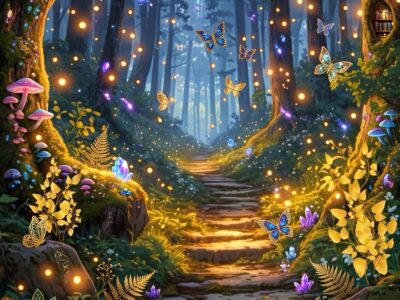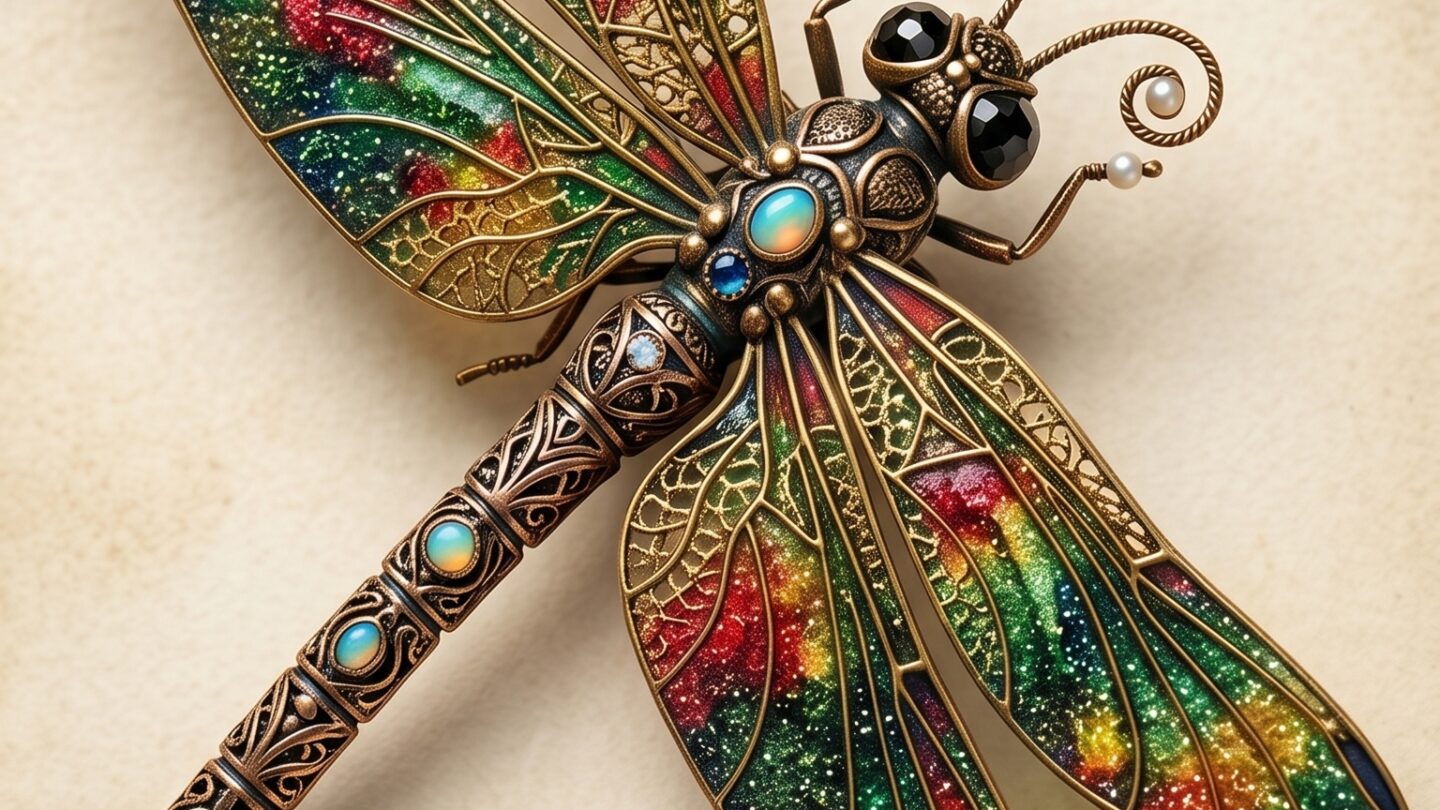
Fairycore has always had a dark twin. While the mainstream version leans into pastel mushrooms and sunlit meadows, dark fairycore goes somewhere older and stranger — the fae of folklore aren’t cute; they’re capricious, feral, and beautiful in a way that unsettles. If your aesthetic Pinterest board is full of shadows, glowing fungi, and something that might be magic or might be mould, this guide covers the digital assets that match.
Dark fairycore sits at the crossroads of goblincore, witchcore, and the older British folk tradition of faeries as genuinely uncanny beings. Visually: deep forest settings, bioluminescent fungi, moth wings, crystals, and a palette that runs from ink-black through mossy green to bruised purple. It’s been one of the fastest-growing aesthetic sub-niches on Pinterest since 2024.
Below: what defines the aesthetic, how it differs from its light counterpart, and the best digital assets for craft projects, art prints, and creative work in this space.
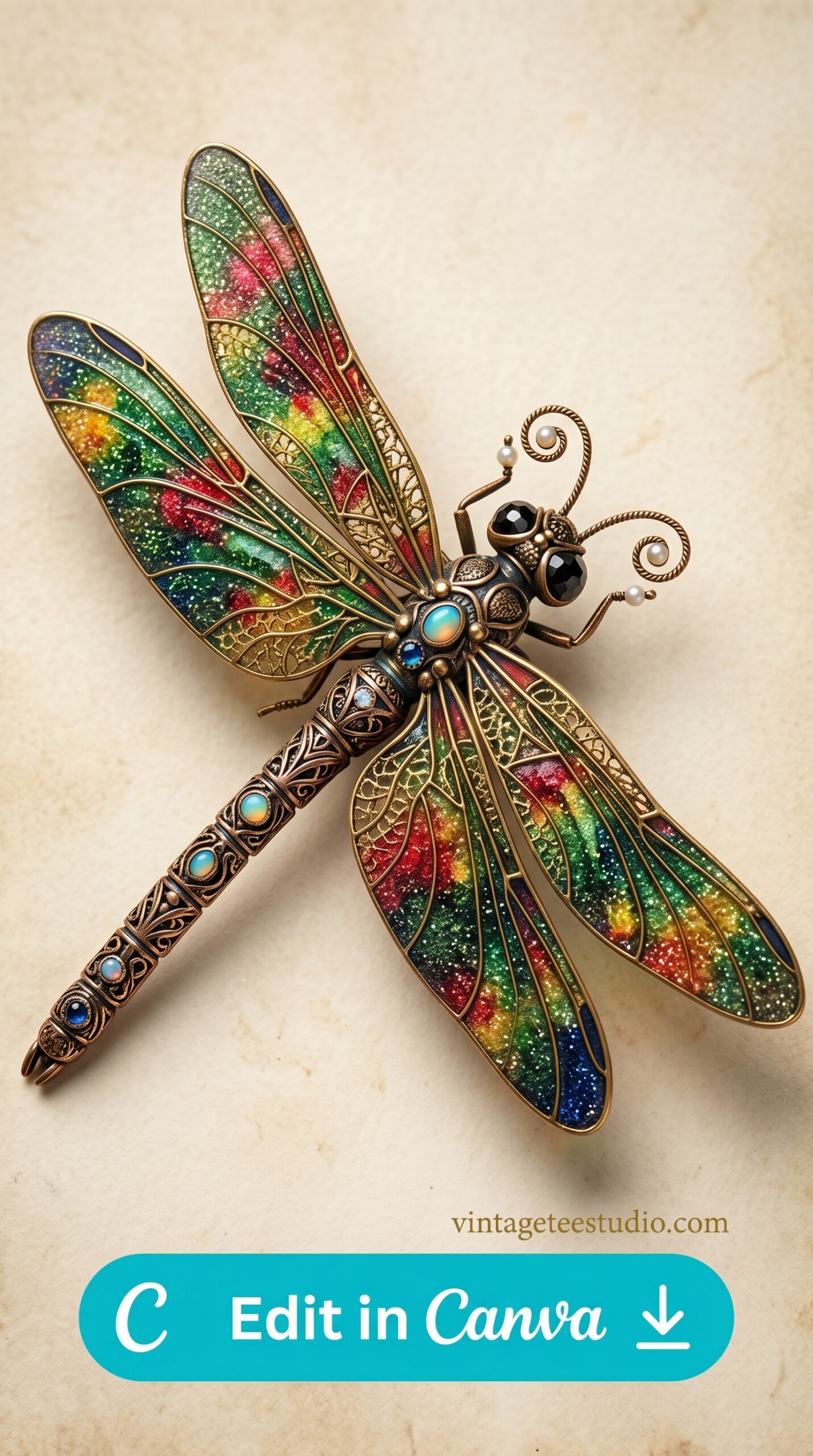
What Is Dark Fairycore?
Dark fairycore is an aesthetic centred on the wilder, older mythology of faeries — not whimsical sprites but genuinely strange, forest-dwelling beings from Celtic and British folklore. Visually it uses deep shadows, glowing fungi, moths, crystals, twisted roots, and rich jewel tones against dark backgrounds. It shares DNA with goblincore (earthy, collecting) and witchcore (mystical, ritualistic) but keeps a specifically fae, folk-tale quality.
Dark Fairycore vs Light Fairycore
The two branches of fairycore share a love of nature and magic, but diverge sharply in mood and source material:
- Light fairycore: Pastel tones, sunlit glades, butterfly wings, flower crowns, cottagecore-adjacent — influenced by Victorian fairy paintings
- Dark fairycore: Deep shadows, bioluminescent fungi, moth wings, crystals, iron rules and folklore warnings — influenced by pre-Victorian British and Celtic folk tradition
- Palette contrast: Light = pink, lavender, mint, cream; Dark = black, forest green, deep purple, teal, gold
- Creature focus: Light = butterflies, birds, gentle sprites; Dark = moths, beetles, will-o’-wisps, unseelie beings
- Mood: Light = enchanting and safe; Dark = beautiful and subtly threatening
Neither is “more correct” — they’re genuinely different aesthetic traditions drawing on different folkloric sources.
Essential Digital Assets for Dark Fairycore
The dark fairycore aesthetic translates particularly well to digital craft assets because so much of it is built around printable and cuttable elements. The most-used asset types:
- PNG clipart: Mushrooms with glow effects, moth silhouettes, crystal clusters, twisted branches, fae hands — layer these in Procreate, Photoshop, or Canva
- Digital paper: Seamless patterns with dark forest floor textures, starlit night repeats, bioluminescent spots — for junk journals, planner backgrounds, and fabric printing
- Sublimation designs: Full-bleed dark fairycore compositions for printing on mugs, tote bags, and apparel
- Art prints: Single-image printables sized for standard frames — great for building a dark fairycore gallery wall
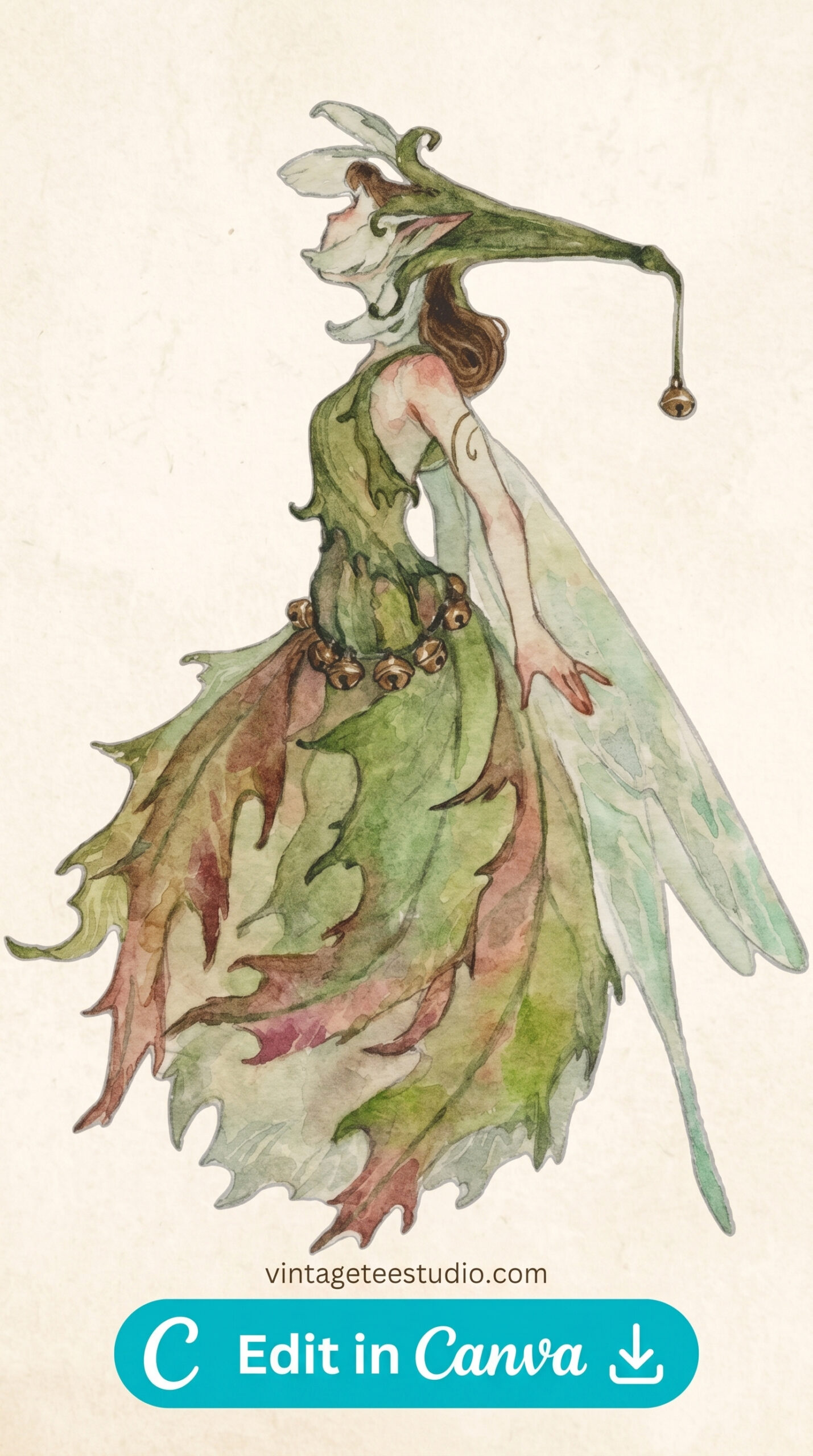
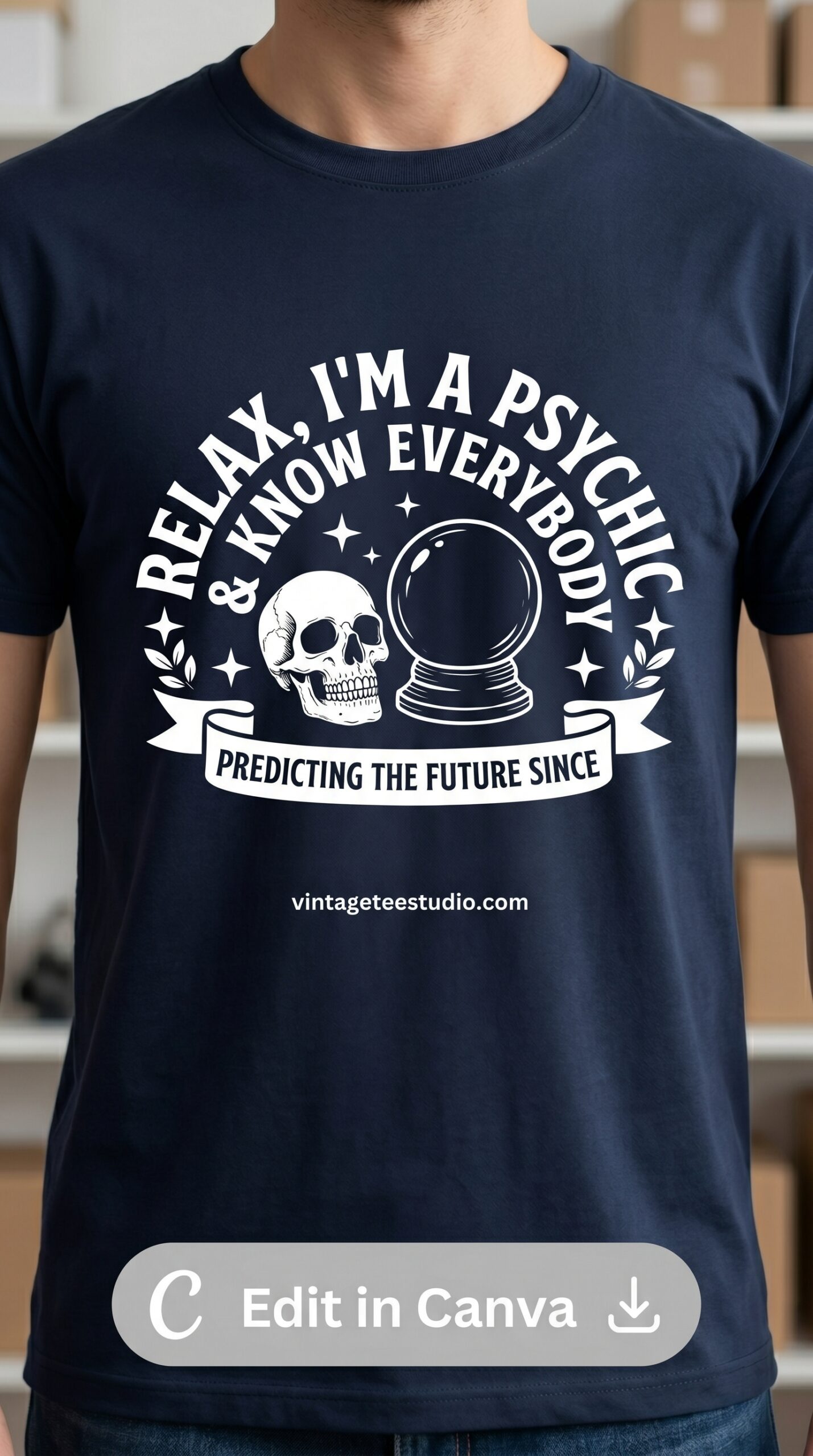
Best for apparel & product printing
Dark Fairycore Sublimation Designs
Full-bleed dark fae compositions — mushrooms, moths, crystals, twisted roots — ready for sublimation printing on mugs, bags, and fabric. PNG with transparent or bleed backgrounds.
Best for layering & mixed media
Whimsical Fae Clipart Bundles
Shadowy fae figures, fairy rings, and woodland creature PNG packs for layering in digital art, journaling, and mixed-media craft projects.
SVG & Clipart Bundles for Dark Fairycore Crafts
SVG files are the backbone of dark fairycore physical craft projects — Cricut and Silhouette users regularly cut fae wing shapes, toadstool silhouettes, and Celtic knotwork for cards, scrapbook pages, and home décor. What to look for in a dark fairycore SVG bundle:
- Clean vector paths (not rasterised-and-traced, which give rough edges when cut)
- Layered files where individual elements can be separated and recoloured
- Moth and butterfly wings that are sized correctly for cutting — wingspan of at least 3 inches at 100% scale
- Commercial licence if you’re selling finished products
Creative Fabrica’s SVG library has a substantial dark-fantasy and fae section. Their search filters for “cutting machines” narrows results to SVG-optimised files rather than raster-only downloads. For more on the broader forest fae visual world, see our dark forest aesthetic guide.
Fonts That Feel Fae & Otherworldly
Typography matters enormously in dark fairycore — the wrong font makes even the most atmospheric art look like a birthday card. Fonts that work for this aesthetic:
- Display fonts: Celtic letterforms, uncial scripts, and blackletter variants with a handmade quality — used for titles, print headings, and art print quotes
- Organic script: Brush scripts with an uneven, handwritten quality — not polished calligraphy but something that looks like it was written with a twig
- Condensed serif: Fine-lined serifs with unusual proportions — slightly antique without being period-costume
- What to avoid: Anything too clean, too modern, or with geometric sans-serif qualities — these immediately break the mood
For more on the broader dark fae world, see our fey realm aesthetic.
Key Takeaways
- Dark fairycore draws on Celtic and British folk tradition — fae as genuinely strange, not just cute
- Core palette: black, forest green, deep purple, teal, bruised violet, with gold and bone white accents
- Key motifs: glowing fungi, moths, crystals, twisted roots, will-o’-wisps, fae hands, Celtic knotwork
- Best digital asset types: PNG clipart, dark digital paper, SVG bundles for cutting machines, sublimation designs
- For SVG: prioritise clean vector paths and layered files; check commercial licence if selling
- Typography: Celtic/uncial display fonts, organic brush scripts — avoid geometric sans-serif
Frequently Asked Questions
Is dark fairycore the same as goblincore?
They overlap but aren’t identical. Goblincore centres on collecting, earthy textures, and finding beauty in overlooked natural objects (mushrooms, rocks, bones, moss). Dark fairycore keeps a specifically fae, folkloric quality — the sense of entering a world with its own rules. You can be into both; many people are.
What’s the difference between dark fairycore and cottagecore dark?
Cottagecore dark keeps the domestic, homemaking focus of cottagecore but pushes the palette deeper — candlelit kitchens, dried herbs, forest foraging. Dark fairycore removes the domestic centre entirely and focuses on the wild, uncanny aspects of fae mythology. One feels like home; the other feels like stepping into the woods at midnight.
Can I use dark fairycore assets commercially?
Check each asset’s licence individually. On Creative Fabrica, most assets include a commercial licence that covers print-on-demand and handmade goods up to a certain number of items. The All Access plan covers the broadest commercial rights across the full library — read the specific licence terms on any product you plan to sell.
What Cricut projects work best for dark fairycore?
Fae wing shapes for cards and scrapbook pages, toadstool silhouettes for layered paper art, Celtic knotwork borders for journal covers, and moth/butterfly vinyl decals for mugs and mirrors. SVG bundles with multiple elements give the most versatility for a single purchase.
How do I build a dark fairycore journal?
Start with a dark-coloured hardcover (black, deep green, or purple). Print dark botanical or dark fairycore digital papers for inside pages. Use fae clipart PNG packs for layering with vintage ephemera. Add hand-lettered quotes in a Celtic or brush font. Fungi stickers, pressed (dried) ferns, and wax seals with moon or moth motifs complete the aesthetic.