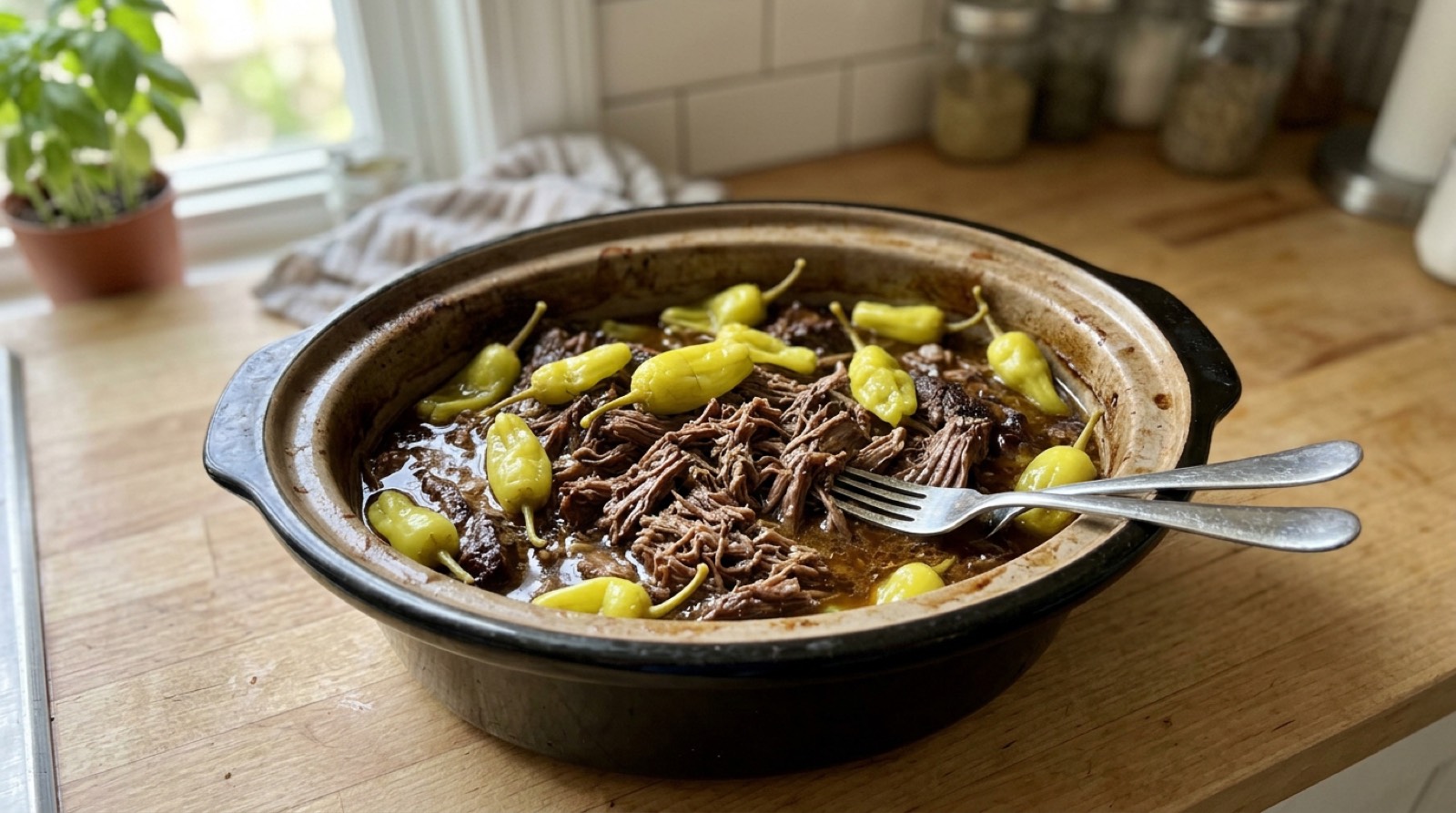
A tough Mississippi pot roast is not an undercooked roast. It is a roast pulled out at the temperature a steak is done at, and chuck does not work that way. The fix is a number, and almost nobody prints it.
Quick answer: Chuck roast goes into a 6-quart pot with ranch mix, au jus mix, butter and pepperoncini, and cooks 8–10 hours on LOW or 5–6 on HIGH. It is done when the centre reads 200–205°F, not when the timer ends. At 170°F it is safe to eat and still tough; the last thirty degrees are what turn it shreddable.
We read the top-ranking pages for ten crockpot searches this month — 76 pages across 54 sites. Ten of them named an internal temperature. Ten out of seventy-six. For roasts the number is the whole recipe, and the pages that skip it hand you a time range instead: three hours on one site, ten on another, median six across ninety-one mentions of hours we counted. That spread is not a disagreement about beef. It is nine different pot sizes, nine different roast weights, and nobody holding a thermometer.
Instant-read meat thermometer
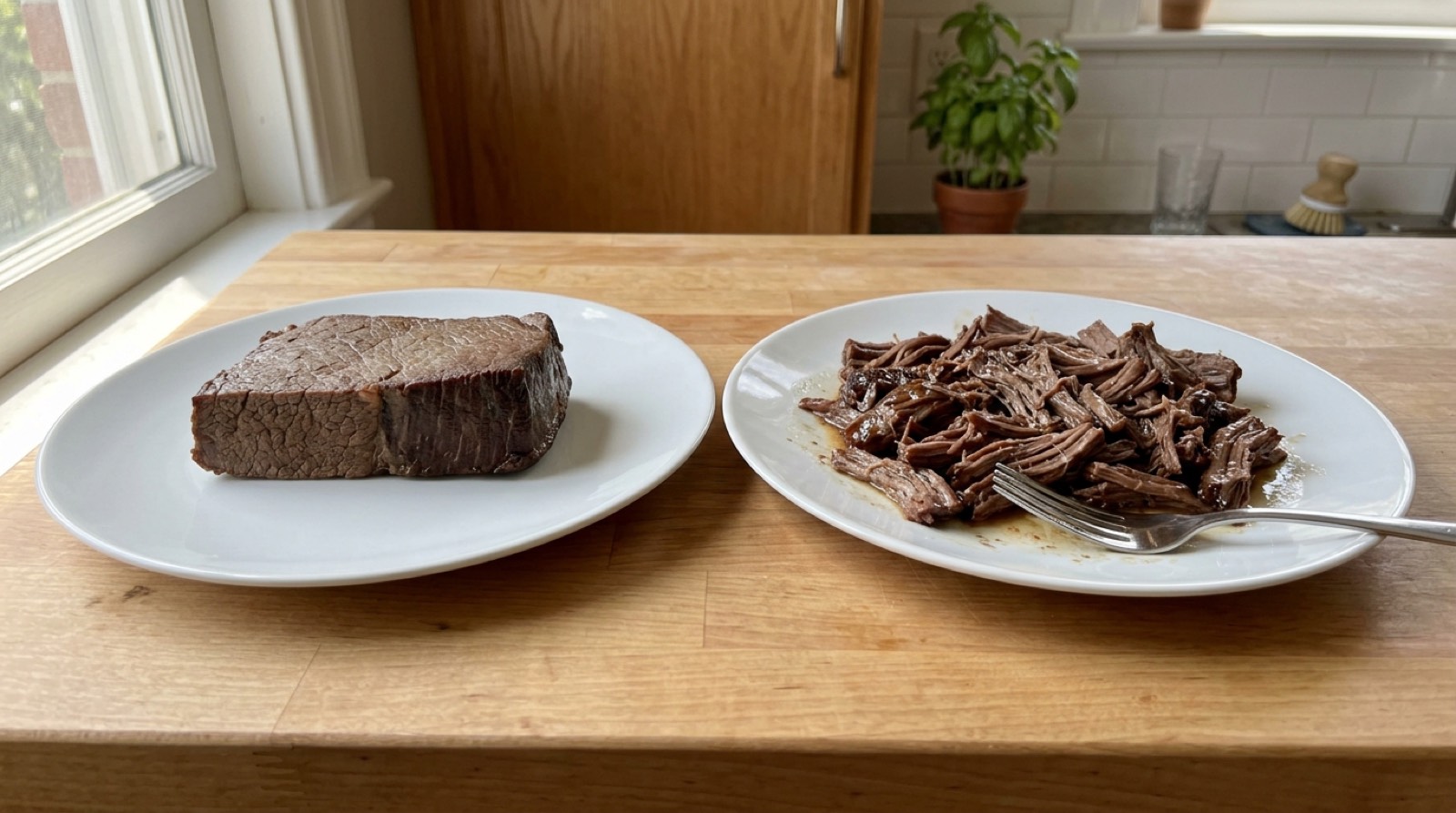
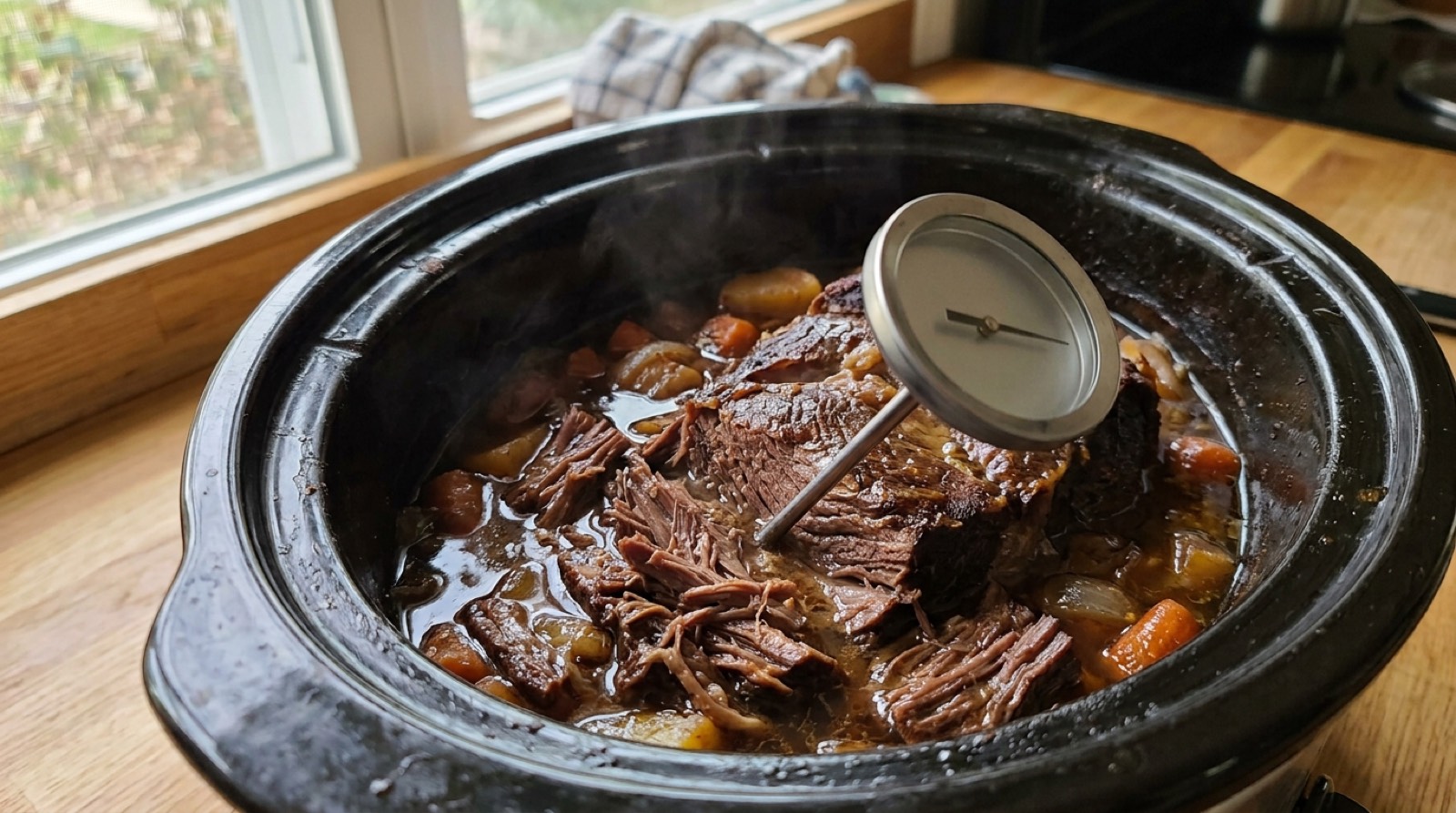
This recipe has one instruction that matters and it is a number: 200–205°F in the thickest part. A two-second read is the difference between beef that falls into shreds and beef pulled at 175°F, which is safe, cooked and tough. Nothing about the look of the roast marks that line.
See instant-read thermometers →Why Your Mississippi Pot Roast Came Out Tough
 Pin it
Chuck is a working muscle, laced with collagen. Collagen is what makes a cheap cut cheap, and it is also what makes it good — but only after it has been held above roughly 160°F long enough to melt into gelatin. That process is slow and it does not start and finish at one temperature.
Here is the sequence in a slow cooker, and it explains every failure people describe:
| Centre reads | What the meat is doing | How it eats |
|---|---|---|
| 145°F | Safe by USDA standards for whole cuts | Firm, sliceable, chewy — wrong for chuck |
| 160–175°F | Muscle fibres have squeezed out water; collagen has barely started | Driest, toughest point. This is where most disappointed roasts get pulled |
| 180–195°F | Collagen converting to gelatin | Pulls apart with effort, still stringy in places |
| 200–205°F | Conversion essentially complete, gelatin back in the fibres | Falls into shreds under a fork. Done |
| Past 210°F | Gelatin renders out into the liquid | Mushy, and the juice ends up in the pot instead of the meat |
So a roast that is “done” at four hours on HIGH is done in the food-safety sense and nowhere near done in the eating sense. The instruction that actually works is: cook until it reads 200–205°F in the thickest part — an instant-read thermometer is the one tool this recipe genuinely needs, and if it is not there yet, put the lid back on. An extra hour costs nothing. Slicing into a 175°F roast cannot be undone.
The last thirty degrees are the recipe. At 170°F the roast is safe and tough; at 200°F it is the dish people remember.
Key Ingredients, and What Each One Is Actually For
 Pin it
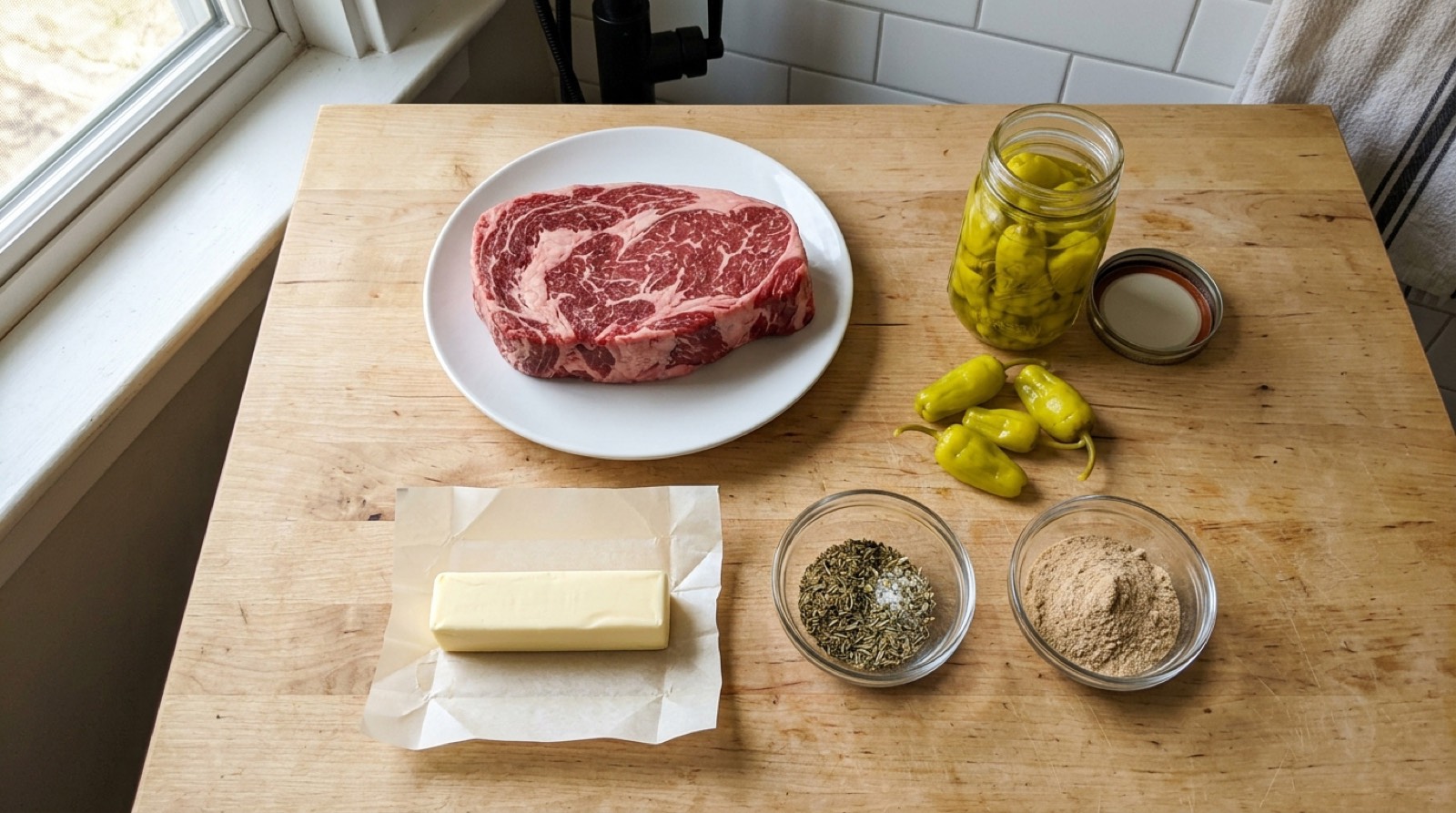
- Chuck roast, 3–4 lb. Marbled and full of collagen — the reason this recipe forgives a long cook. A lean cut (round, sirloin tip) has neither, and no amount of time will save it.
- Ranch seasoning packet. Buttermilk solids, dried herbs, and salt. The tang is what keeps a butter-heavy braise from tasting flat.
- Au jus or brown gravy packet. Cornstarch plus concentrated beef flavour. It is doing two jobs: seasoning and thickening.
- Butter, one stick. Chuck renders fat, but butter carries the seasoning into the liquid and gives the sauce body. Half a stick works if the roast is well marbled.
- Ranch and au jus by the box. If this becomes a monthly roast, multipacks of both mixes cost less per roast than singles and remove the one thing that stops the recipe happening on a weekday: not having the packets.
- Pepperoncini, 8–10 whole, plus a splash of brine. The acid is not optional. It cuts the salt from both packets and keeps the whole thing from reading as a salt lick. This is the ingredient people skip and then complain about.
Why It Comes Out Too Salty — and the Three Fixes
 Pin it
Two seasoning packets and a stick of salted butter in a pot that loses almost no liquid. A slow cooker with a proper seal does not evaporate, so nothing dilutes and nothing concentrates — whatever salt you put in is the salt you eat, spread across less liquid than a braise on the stove would have.
- Use unsalted butter. Cheapest fix, costs nothing in flavour, and a low-sodium au jus mix does the same job again at the other end.
- Add the pepperoncini brine, not water. Acid reads as brightness and makes the same salt level taste balanced.
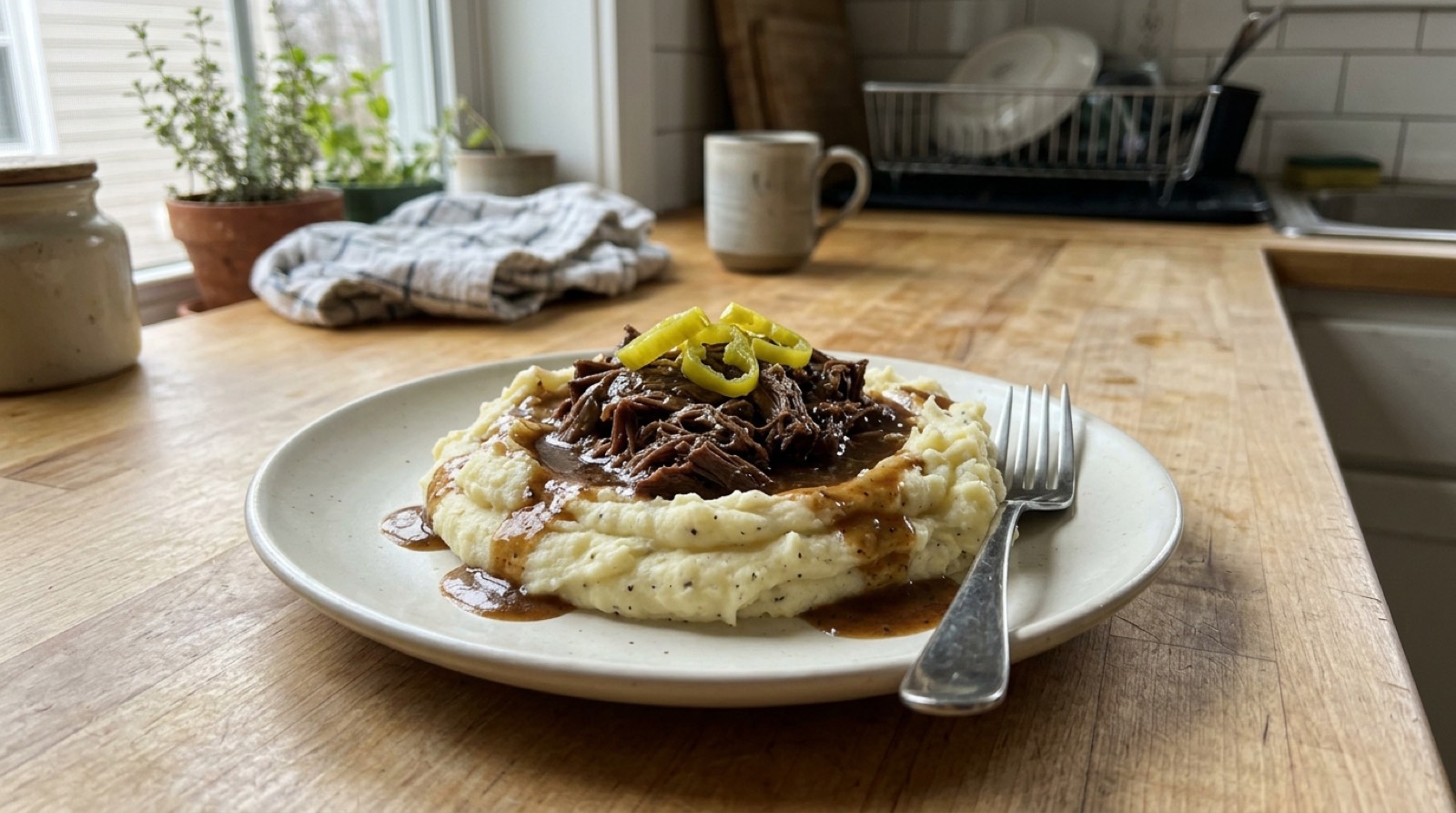
- Serve it over something unsalted. Plain mashed potato, rice, or egg noodles absorb the sauce and halve the concentration per bite. This is why the classic serving suggestion exists — it is a correction, not a garnish.
Do You Have to Sear It?
 Pin it
No, and half the internet is quietly wrong about the word “dump”. Across the same 76 pages we read, 38 asked for searing or browning before the lid goes on — exactly half of the recipes marketed as dump-and-go were not dump-and-go.
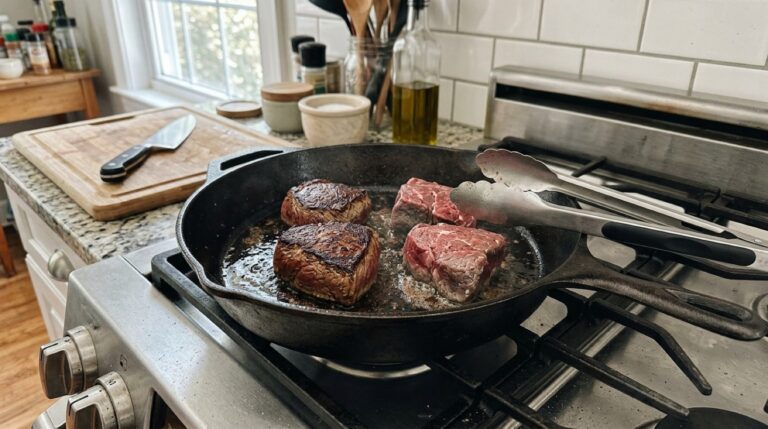
If you do sear, the pan decides whether it is worth it: a heavy cast-iron skillet holds heat when three pounds of cold beef hits it, and a thin pan just steams the surface grey.
Searing adds browned crust flavour. It does not affect tenderness, it does not “seal in juices”, and skipping it produces a roast most people cannot pick out in a blind taste. If you have seven minutes and a hot pan, sear. If it is 7 a.m. and the pot has to go on now, do not, and do not feel bad about it.
Timing, by Pot Size and Roast Weight
All of these assume a pot filled between half and three-quarters. A 3 lb roast rattling around a 8-quart pot cooks faster and drier than the same roast snug in a 6-quart; a pot crammed to the rim runs slower than any chart says.
| Roast | Pot | LOW | HIGH | Check temp at |
|---|---|---|---|---|
| 3 lb | 6-quart | 8 h | 5 h | 7 h / 4 h |
| 4 lb | 6-quart | 9–10 h | 6 h | 8 h / 5 h |
| 4 lb | 8-quart | 8–9 h | 5–6 h | 7 h / 4 h |
| 2 × 2 lb | 6-quart | 7 h | 4–5 h | 6 h / 3.5 h |
Two rows of that table are an 8-quart pot for a reason: a 4 lb roast plus butter, peppers and liquid sits against the lid of anything smaller than an 8-quart oval, and a lid that does not seal makes every time on this page wrong.
LOW over HIGH whenever you have the hours. HIGH gets to the same 200°F, but it drives water out of the fibres faster than collagen converts, so the window between “tender” and “dry shreds in a puddle” is narrower.
Getting the Gravy to Thicken
 Pin it
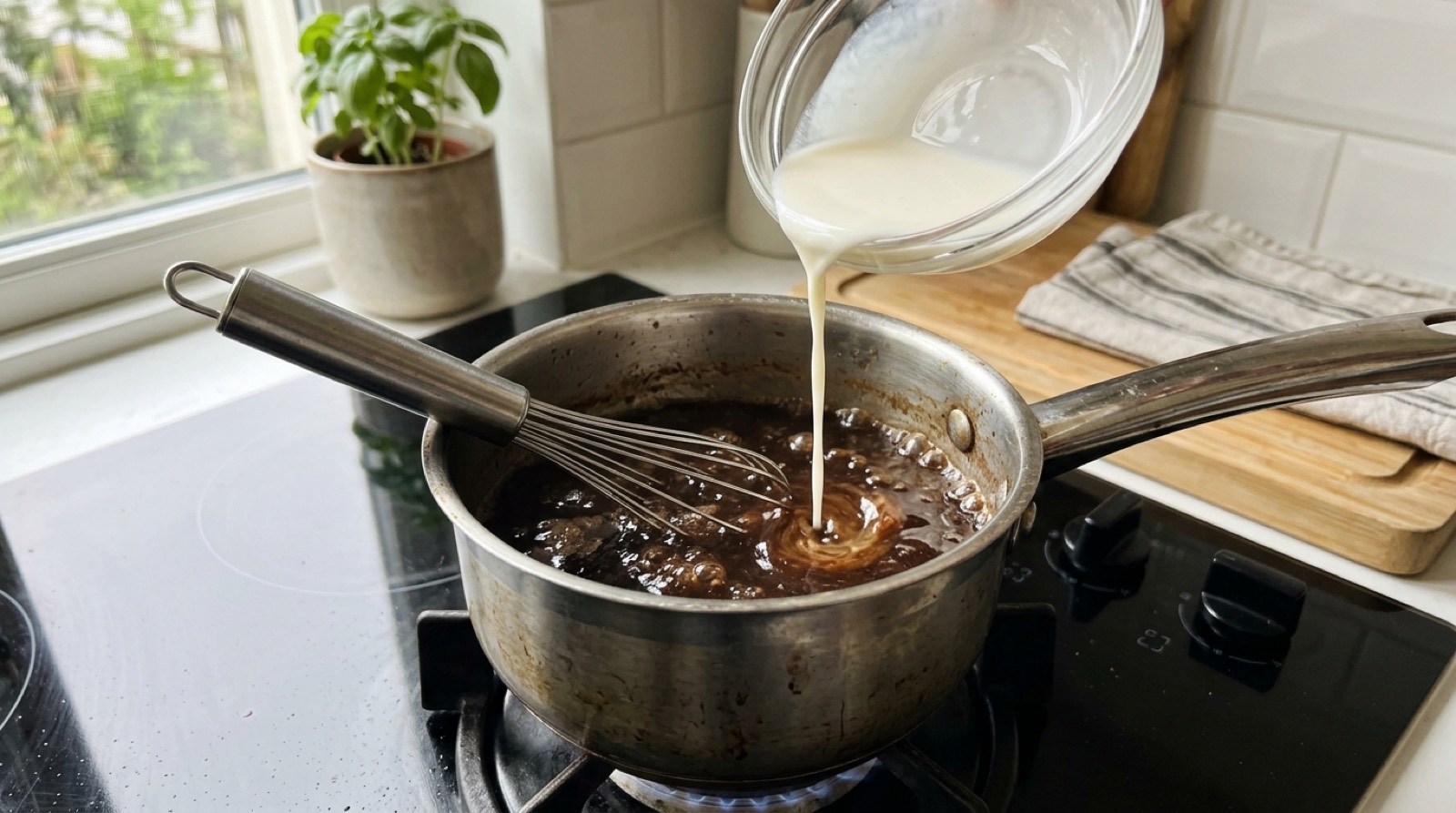
The liquid in the pot at hour nine is thin, because a sealed slow cooker never reduces. Lift the roast out, whisk two tablespoons of cornstarch into a quarter cup of cold water, stir that into the pot, and hold it on HIGH with the lid off for 15 minutes. Cold water first — cornstarch dropped straight into hot liquid seizes into lumps you will not whisk out.
Leftovers Are the Second Meal, Not a Consolation
 Pin it
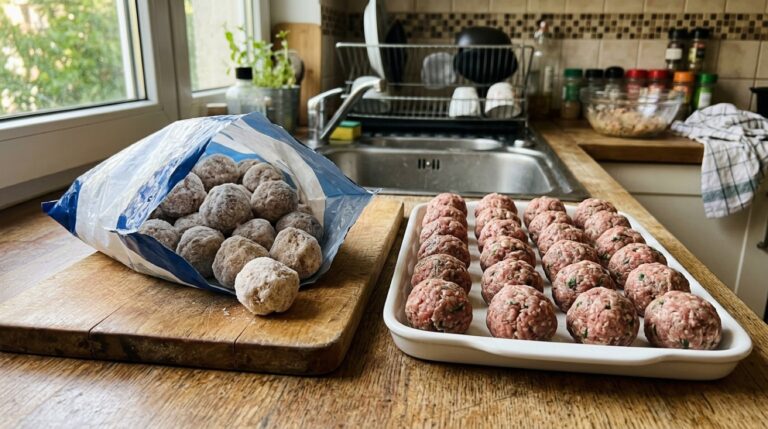
Shredded Mississippi roast keeps four days refrigerated and three months frozen, and it freezes better than most cooked beef because the gelatin holds the moisture. Freeze it in its liquid, flat in a heavy-duty gallon bag — a brick of dry shredded beef thaws into sawdust, and a thin bag full of gravy splits along the seam the first time it is moved frozen. Reheat gently, covered, with a splash of the juice.
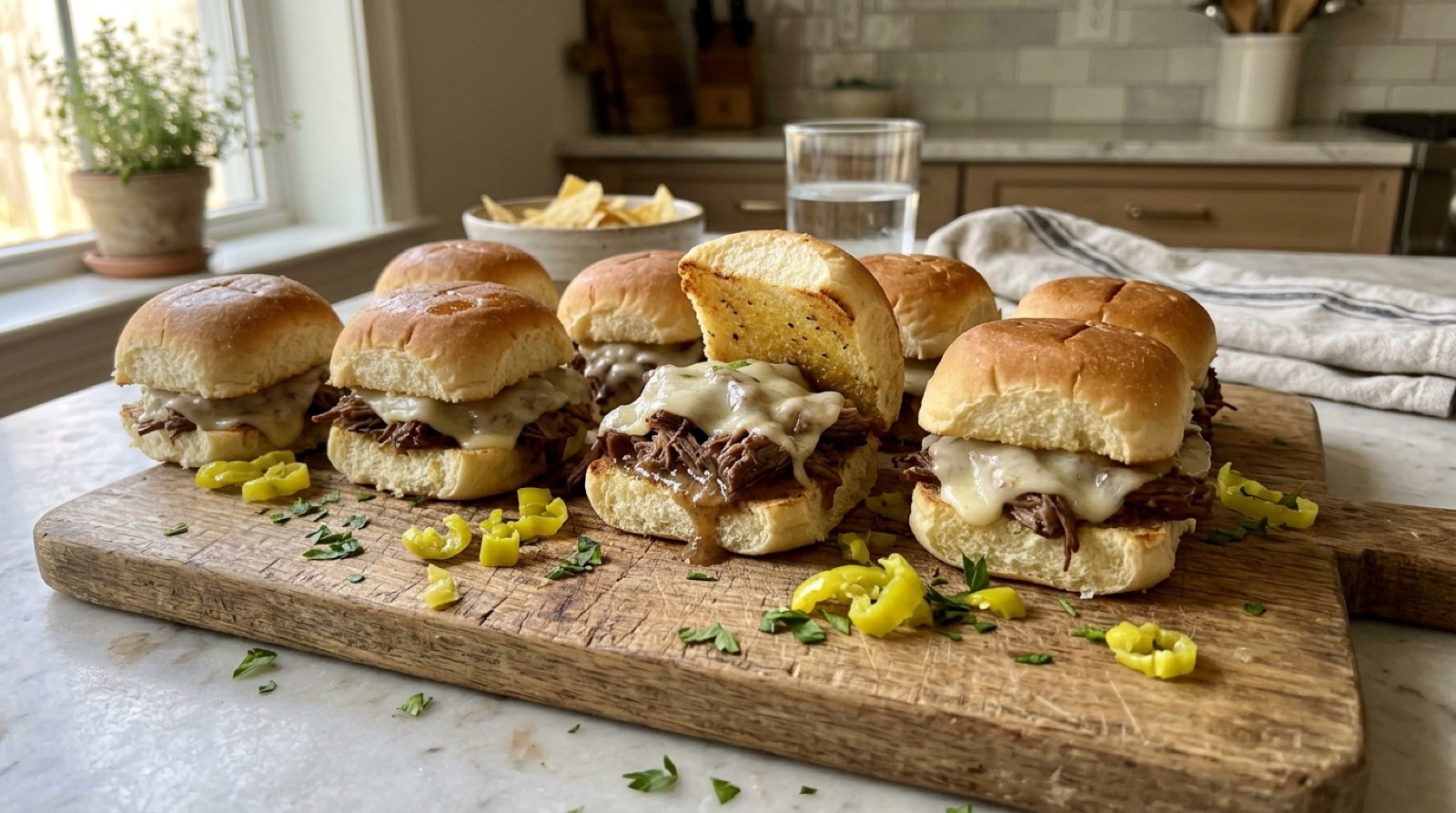
It becomes sandwiches on toasted rolls with provolone, sliders on soft slider buns with a slice of pepper jack melted under the broiler, a filling for baked potatoes, beef and noodles over wide egg noodles with the strained juice as the sauce, or the meat in tacos with the pepperoncini chopped through it. The sliders are the one to plan for — a pound of shredded roast fills a dozen buns.
 Pin it
Mississippi Pot Roast FAQ
Can I put the roast in frozen?
No. A frozen roast sits in the 40–140°F range for hours in a slow cooker, which is exactly the range you are meant to move food through quickly. Thaw it first.
Can I add potatoes and carrots?
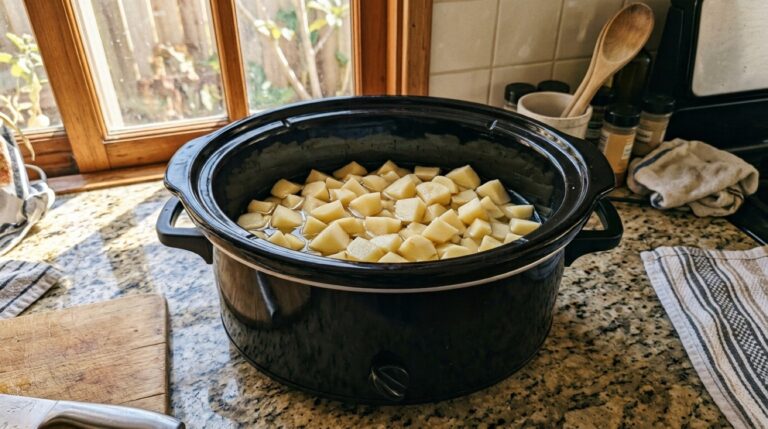
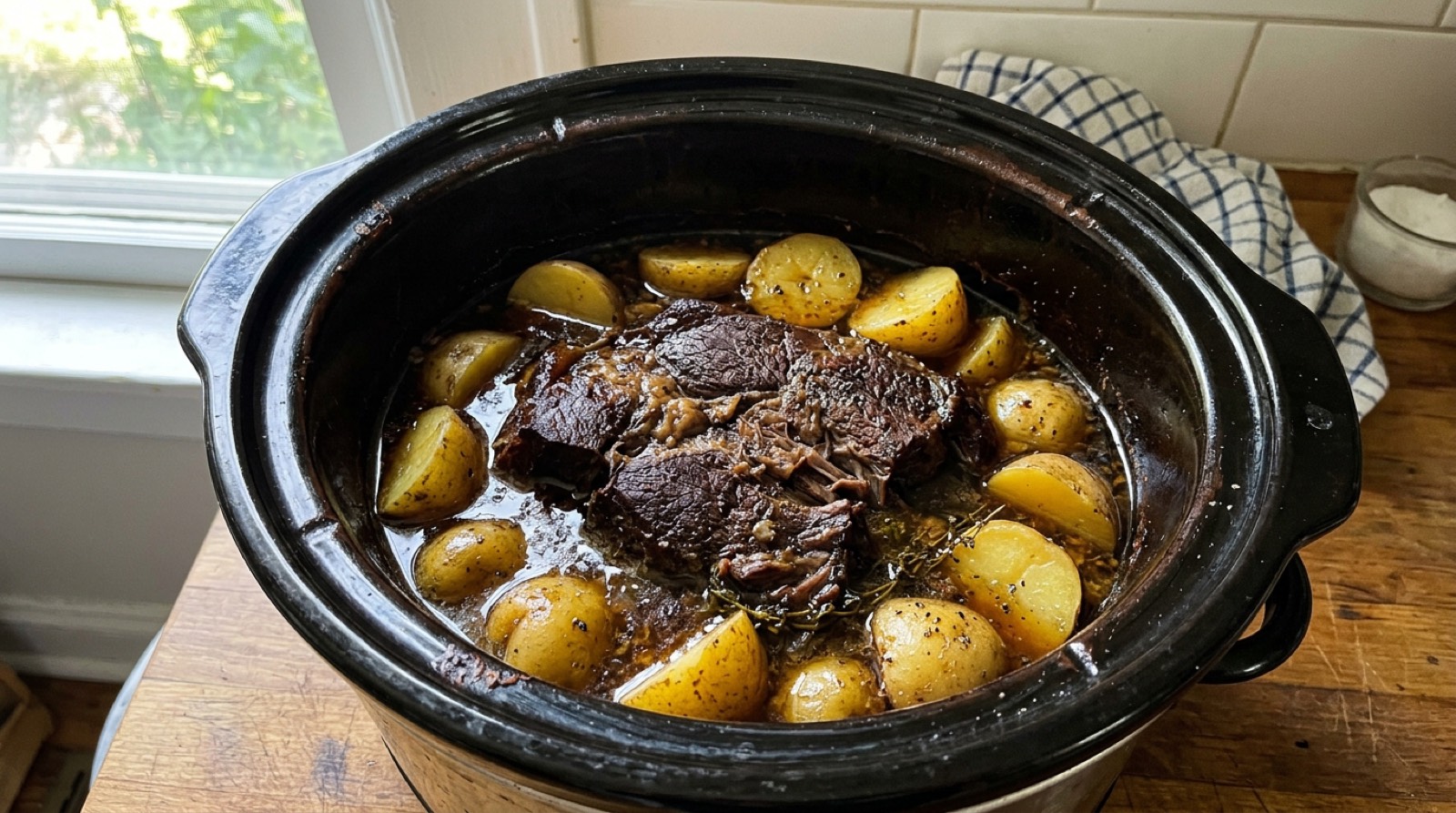
Yes, in large chunks, added at the halfway point. Small dice put in at the start dissolve into the sauce — not a disaster, but you will not get vegetables out of it.
My roast is at 190°F and the timer is done. Now what?
Lid back on, another 45–60 minutes. This is the single most useful thing on this page.
Chicken instead of beef?
Same seasonings, completely different timing — chicken thighs are done at 175°F and breasts dry out past 165°F. Do not carry the 200°F number across. The full cut-by-cut times are in crockpot chicken recipes.
What size slow cooker do I need?
A 6-quart pot for a 3–4 lb roast. Smaller than that and the lid will not close over the meat plus butter plus peppers.
How long does Mississippi pot roast take on HIGH?
Five to six hours for a 3–4 lb chuck roast in a 6-quart pot, against eight to ten on LOW. Both routes end at the same 200–205°F; HIGH just gives you a narrower window before the shreds go dry.
For the plain version of the same cut with no packets, see crockpot pot roast. The potatoes that go under it are timed in crockpot potatoes, and the bagged-ahead version is in crockpot freezer meals.