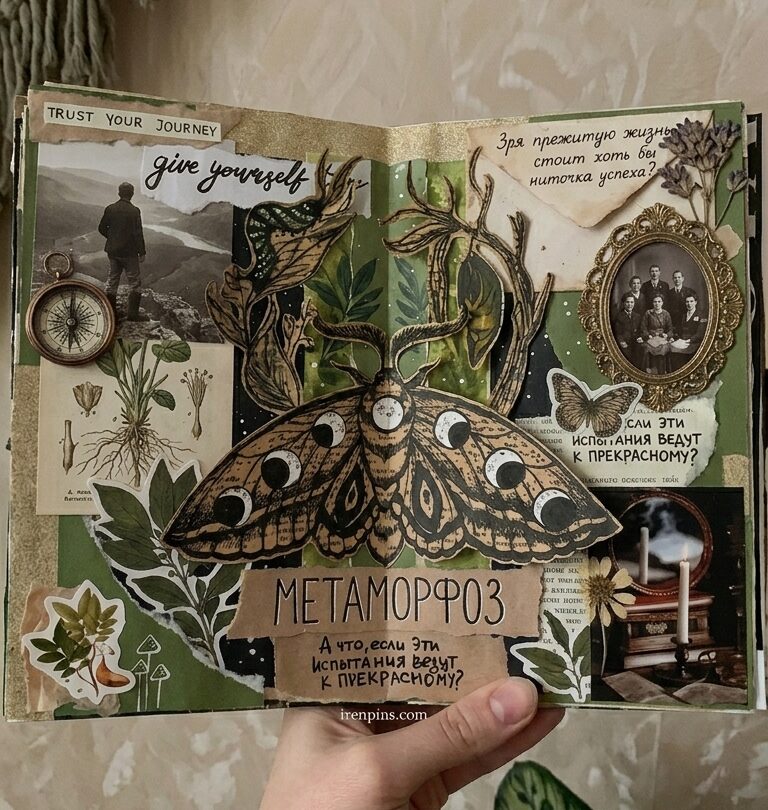
The moody journal aesthetic is not a visual style you can fake with one dark sticker sheet. It’s a layered approach to journaling where the visual language — deep tones, atmospheric textures, shadow-weighted ephemera — reinforces the introspective nature of the journaling practice itself. When it works, opening the journal feels like stepping into a specific psychological space.
This guide covers the aesthetic itself, what digital supplies build it, the sticker and ephemera styles that fit, how to set up a moody digital journal in GoodNotes, and which Creative Fabrica kits are worth downloading.
What is the moody journal aesthetic? A journaling visual style using deep, atmospheric colour palettes — charcoal, muted plum, aged parchment, forest green — with dark digital paper, gothic or botanical sticker sheets, shadow work prompts, and ephemera bundles. Popular in art journaling, shadow work, and GoodNotes digital setups. Available as printable PDF kits and transparent PNG sticker sheets on Creative Fabrica.
What Is the Moody Journal Aesthetic?
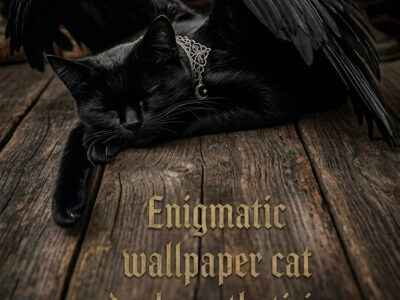
The moody journal aesthetic emerged from the intersection of shadow work journaling practice, art journaling, and the dark academia visual trend. It’s deliberately different from the clean, pastel-and-washi-tape aesthetic of mainstream bullet journaling — this is journaling that takes itself seriously as a reflective practice, not a productivity system.
Three visual qualities define it:
- Dark, atmospheric backgrounds — never plain white page. Dark digital paper, aged parchment texture, or deep-toned ink wash backgrounds.
- Meaningful motif selection — botanical elements with symbolic weight (herbs, moon phases, trees), not generic cute stickers. Every element should feel chosen for a reason.
- Restrained palette — charcoal, muted plum, aged paper tones, deep moss green. High contrast accents in bone-white or dull gold only. No brights.

Which Digital Supplies Build a Moody Journal?
The supply categories you need, in priority order:
- Dark digital paper — 4–6 coordinating pages in your palette. Minimum 300 DPI. You need: a solid dark background, at least one atmospheric texture (fog, aged paper, ink wash), and 1–2 botanical or motif papers.
- Sticker sheets in transparent PNG — elements for GoodNotes use need transparent PNG backgrounds. JPG stickers with white backgrounds look wrong on dark journal pages.
- Ephemera and tags — aged paper shapes, torn labels, journaling card templates. These create the layered, assembled quality that differentiates a moody journal from a dark-background planner.
- Prompt cards — if you’re using the journal for shadow work, printable prompt sets designed for the aesthetic save significant setup time. Generic prompts on white paper break the visual language.
- Display font — one. Old-style serif (Cormorant Garamond) or a vintage-feeling display font with good lowercase readability. Journaling text in a font that’s hard to read defeats the purpose.

Which Sticker and Ephemera Styles Fit a Dark Journal?
The files below are instant-download printable PDF journal kits and transparent PNG sticker sheets from Creative Fabrica — commercial licence, compatible with GoodNotes, Procreate, Canva, and print-to-physical-journal workflows.

Dark Botanical Journal Sticker Kit
Nature-inspired journaling elements in altered paper technique — layered, textured, with the hand-assembled quality that printed sticker sheets often miss.
Browse Moody Journal Downloads →
How Do You Set Up a Moody Digital Journal in GoodNotes?
GoodNotes setup for a moody aesthetic journal:
- Create a custom notebook — import a dark digital paper PDF as your notebook template. GoodNotes accepts PDF notebook templates. Size: A5 or A4 depending on your use case.
- Import sticker sheets — import transparent PNG sticker files via the Photos app. They appear in your GoodNotes element library and can be scaled and positioned on any page.
- Set pen colour preferences — journal in bone-white or aged gold (hex approximate: #D4AA60) rather than standard black on dark backgrounds. Black-on-dark doesn’t have enough contrast for extended writing.
- Create a cover page — use a botanical illustration or atmospheric art print as your cover page. Import as an image element, scale to fill.
- Build a section system — dark aesthetic tabs using PNG divider elements, not the default GoodNotes tab colours.
One thing that doesn’t work: using standard white-background PDF templates as your journal base and overlaying dark elements on top. The white bleeds through in ways that break the aesthetic at certain opacity levels. Start with genuinely dark paper templates.
Looking for adjacent aesthetics? Our dark scrapbook ideas guide covers the layout-building approach for dark aesthetic pages, and our fairytale journal spread article covers the tutorial for building a magical spread step-by-step.
Key Takeaways
- Moody journal digital kits, transparent PNG sticker sheets, and shadow work prompt sets are available on Creative Fabrica’s free plan with commercial licence
- GoodNotes users need transparent PNG sticker sheets — JPG backgrounds show through on dark journal pages
- Start with genuinely dark paper templates as your journal base; overlaying dark elements on white templates creates opacity bleed-through
- Palette: charcoal, muted plum, aged parchment, deep moss green — no brights; contrast accents in bone-white or dull gold only
Frequently Asked Questions
What is the moody journal aesthetic?
A journaling visual style using deep, atmospheric colour palettes with dark digital paper, botanical and gothic sticker sheets, shadow work prompts, and ephemera bundles. Popular in art journaling, shadow work journaling, and GoodNotes digital setups.
What file format do I need for GoodNotes moody journal stickers?
Transparent PNG — not JPG. JPG files have a background colour that shows over dark journal pages. Import PNGs via the Photos app into GoodNotes and they appear in your element library as fully transparent stickers.
Can I print a moody journal kit at home?
Yes — Creative Fabrica journal kits typically include print-ready PDF files at A4 or A5 size. Print on white paper if you’re using it as an overlay in a physical journal, or on kraft/coloured paper if you want the dark background to show through the design.
What is shadow work journaling?
A reflective journaling practice drawing on Jungian psychology — the “shadow” refers to the unconscious aspects of the self. Shadow work journals use prompts to explore beliefs, emotions, and patterns that aren’t part of your conscious narrative. The moody journal aesthetic — dark, introspective, deliberately non-cheerful — serves the practice’s tone better than standard planner aesthetics.